Realistic passive income involves earning money with minimal ongoing effort after an initial investment of time or money. It’s about setting up systems that generate income streams independently, allowing for more financial freedom and flexibility. The key is understanding that “passive” doesn’t mean “no work,” but rather “less direct, hour-for-hour work” over time.
Understanding Passive Income: The Real Story
Passive income. It sounds like magic, right? The idea is to earn money without actively working for it. Think of it like planting a tree. You spend time and effort digging, planting, and watering. After a while, the tree grows and gives you fruit. You don’t have to water it every single day anymore, but you still get delicious apples. That’s a good way to picture passive income. It requires work upfront, but then it keeps giving back.
Many people think passive income means you can just do nothing. That’s a big myth. Most passive income streams need some upkeep. They might need updates, marketing, or management. But the amount of work is much less than a traditional job. It’s about building something once that can pay you many times over. This is what makes it so appealing. It can give you more time and freedom.
The goal isn’t just to make money. It’s to make your money work for you. This can help you reach financial goals faster. It can also provide a safety net. Or it might fund your dreams, like traveling or starting a new hobby. The key is finding an income stream that fits your skills and interests. It also needs to fit your budget for startup costs. It’s a journey, not an overnight fix.
My Own Journey: When I First Tried to “Make Money While Sleeping”
I remember sitting at my desk late one Tuesday. I was staring at spreadsheets, feeling completely drained. The clock showed almost 10 PM. I had a strong desire to stop trading my evenings for just enough cash to get by. I’d read about people building online businesses and earning money while they were on vacation. It seemed impossible to me then. I felt a wave of frustration mixed with a little bit of envy.
I decided to dive headfirst into what I thought was passive income. I bought a course on creating an ebook. I spent weeks researching topics, writing, editing, and designing. Then came the marketing. That was the hard part. I tried social media, ads, and email lists. It felt like I was working even harder than before. My ebook sold a few copies, but it was far from paying for itself, let alone letting me sleep in. I learned a lot though. The biggest lesson was that “passive” really means “less active,” not “no active.”
Startup Costs vs. Time Investment
Some passive income ideas need more money upfront. Others need more of your time. Think about what you have more of right now. Do you have savings? Or do you have free evenings and weekends?
- High Money, Low Time: Investing in stocks or real estate.
- Low Money, High Time: Creating digital products or starting a blog.
- Balanced: Some affiliate marketing or online courses.
Realistic Passive Income Examples That Actually Work
Let’s talk about some realistic passive income examples. These aren’t get-rich-quick schemes. They are proven methods that can build income over time. They require smart planning and consistent effort at first. But once set up, they can generate income with less direct work.
Building Digital Products
Digital products are a fantastic way to earn passive income. You create them once, and then you can sell them over and over again. This model has a very low cost per sale once the initial creation is done. It leverages your knowledge and skills.
Types of Digital Products
- Ebooks: Share your expertise on any topic.
- Online Courses: Teach a skill through videos and lessons.
- Printables: Offer planners, checklists, or artwork for download.
- Templates: Sell designs for resumes, social media, or websites.
- Stock Photos/Videos: If you have photography skills.
- Software/Apps: For those with coding abilities.
Creating an ebook is a common entry point. You can write about anything you know well. This could be a hobby, a professional skill, or even a life experience. The key is to provide value to the reader. Once written, you can sell it on platforms like Amazon Kindle Direct Publishing, Gumroad, or your own website. Marketing is key here. You need to let people know your ebook exists.
Online courses are another powerful option. If you can teach a skill, you can build a course. Platforms like Teachable, Kajabi, or Udemy make it easy to host and sell your courses. You’ll need to create video content, lesson plans, and maybe some quizzes. The upfront work is significant, but once your course is live, it can generate income for years. Think about a skill you have. Can you teach others to do it? That’s a potential course idea.
Printables are simpler. These are often PDFs that people buy and print at home. Think planners, budgeting sheets, wall art, or kids’ activity pages. Etsy is a popular place to sell these. The design work is less intensive than an ebook or course. But you still need good design skills and an understanding of what people search for. These items sell for a few dollars each. Volume is how you make significant income.
Affiliate Marketing
Affiliate marketing is when you promote other companies’ products. You earn a commission for every sale made through your unique link. This is a very popular form of passive income because you don’t need to create your own product. You also don’t handle customer service.
To succeed with affiliate marketing, you need an audience. This is usually built through a blog, social media, or a YouTube channel. You write reviews, create helpful content, or share tips. Within that content, you naturally include links to products you recommend. When someone clicks your link and buys something, you get a cut. For example, if you have a blog about gardening, you could link to gardening tools or seeds. When people buy them through your link, you earn money.
Getting Started with Affiliate Marketing
1. Choose a Niche: Pick a topic you know and love.
2. Build an Audience: Start a blog, YouTube channel, or social media page.
3. Find Affiliate Programs: Look for companies that offer affiliate programs (e.g., Amazon Associates, ShareASale).
4. Create Content: Write reviews, tutorials, or comparison posts.
5. Promote Products: Naturally weave affiliate links into your content.
The key to making affiliate marketing truly passive is evergreen content. This is content that stays relevant for a long time. A blog post about “How to Bake Sourdough Bread” will likely be useful for years. This means people can find it and click your links long after you’ve written it. It’s a steady stream of potential income.
Investing in Dividend Stocks
For those with capital to invest, dividend stocks offer a classic passive income stream. Companies that are profitable often share a portion of their profits with shareholders. These payments are called dividends.
When you buy shares in a dividend-paying company, you become a part-owner. The company’s board of directors decides how much profit to return to shareholders and when. These dividends are usually paid quarterly. The amount can vary. Some companies pay a small dividend, while others pay a larger portion of their profits.
This type of passive income requires money to start. You’ll need to research companies carefully. Look for companies with a history of paying and increasing their dividends. Financial advisors or investment platforms can help you understand this. The risk here is that stock prices can go down, and companies can cut their dividends. However, over the long term, it has been a reliable way to build wealth.
Dividend Stock Basics
| Dividend Yield: | The annual dividend per share divided by the stock’s price. It shows how much income you get for every dollar invested. |
| Dividend Payout Ratio: | The percentage of earnings a company pays out as dividends. A sustainable ratio is important. |
| Dividend Reinvestment: | Using your dividend payments to buy more shares of the same stock, compounding your returns. |
Reinvesting dividends is a powerful strategy. Instead of taking the cash, you use it to buy more shares. This means you earn more dividends over time. It’s a compounding effect that can significantly boost your passive income and overall wealth. You need to choose a brokerage account that allows dividend reinvestment, often called a DRIP plan.
Real Estate Investing
Real estate is a well-known path to passive income, though it can vary in its “passiveness.” Owning rental properties can generate monthly income from tenants. This is often called “mailbox money” because it can feel like money just shows up.
Owning rental properties involves buying a property and then renting it out to tenants. You collect rent each month. After paying your mortgage, property taxes, insurance, and any maintenance costs, the leftover is your profit. This can be a substantial income stream. The upfront cost for real estate is usually quite high. It requires a significant down payment and good credit.
The “passive” part of real estate often comes with a caveat. Being a landlord can be a lot of work. You might deal with tenant issues, property repairs, and vacancies. Many investors combat this by hiring a property management company. This company handles the day-to-day tasks for a fee. This makes the income more passive, but it does cut into your profits. It’s a trade-off for your time and peace of mind.
Real Estate Passive Income Options
Rental Properties: Direct ownership and management (or through a manager).
Real Estate Investment Trusts (REITs): Invest in companies that own or finance income-producing real estate. You buy shares like stocks.
Real Estate Crowdfunding: Pool money with other investors to fund larger real estate projects.
REITs offer a way to invest in real estate without the headaches of being a landlord. You buy shares in a company that owns malls, apartments, or office buildings. They are required to pay out most of their taxable income as dividends. This makes them a good option for passive income for many people. It’s a more hands-off approach than owning physical property.
Creating and Selling Stock Photos or Videos
If you have a good eye for photography or videography, you can create a passive income stream by selling your work on stock platforms. Websites like Shutterstock, Adobe Stock, and Getty Images allow you to upload your photos and videos. When someone licenses your work, you earn a royalty.
The initial effort involves taking high-quality photos or videos that are in demand. You need to understand what types of images businesses and designers are looking for. This could be anything from people working in an office to beautiful landscapes or everyday objects. Once uploaded and approved, your work sits in the platform’s library.
The passive aspect comes from the fact that your images can be sold many times to different people. It does require keeping up with trends and adding new content regularly to stay competitive. But each photo or video you upload has the potential to earn money for months or even years. It’s a way to monetize a creative hobby.
Tips for Stock Photography Success
Focus on Trends: What are businesses looking for now? Think diversity, technology, and lifestyle.
High Quality is Key: Use good equipment and editing skills.
Keywords Matter: Use accurate and descriptive keywords so people can find your work.
Shoot in Batches: Create multiple similar shots to increase your chances of a sale.
Licensing Your Music or Art
Similar to stock photos, if you are a musician or an artist, you can license your work. This means other people can pay to use your music in videos, commercials, or films. Or, your artwork can be used on products.
Platforms like Epidemic Sound (for music) or licensing agencies can help you get your work out there. You upload your music or art, and they handle the licensing agreements. You receive royalties when your work is used. The initial creation of the music or art is where the main effort lies. Once it’s available for licensing, it can earn money repeatedly.
This is a great option for creatives. It allows your passion to generate income without constant direct selling. It requires understanding the market for licensing and producing high-quality creative assets. Think about the background music in a YouTube video. Someone had to create that music and license it for use. That’s a passive income stream for the creator.
Peer-to-Peer Lending
Peer-to-peer (P2P) lending platforms connect individual investors with borrowers. You can lend money to individuals or small businesses and earn interest on the loan. This is a form of passive income where your money earns money for you.
Platforms like Prosper or Lending Club (though availability can vary) allow you to browse loan requests. You can choose to invest small amounts in many different loans to diversify your risk. The platform handles the loan servicing and collects payments from borrowers. They then distribute the principal and interest back to you, minus their fees.
The risk with P2P lending is that borrowers may default on their loans. This means you could lose some or all of your invested money. Diversification is crucial. Spreading your investment across many loans reduces the impact of any single default. It requires careful selection of loans based on risk assessment and desired return.
P2P Lending Considerations
Risk vs. Reward: Higher interest rates often mean higher risk of default.
Diversification: Invest small amounts in many loans.
Platform Fees: Understand the fees charged by the P2P platform.
Regulatory Changes: P2P lending regulations can change, affecting availability.
Creating a Niche Website with Ads
This is a classic passive income strategy that many people use. You build a website focused on a specific topic. Then, you attract visitors by providing valuable content. Once you have traffic, you can place ads on your site through networks like Google AdSense.
The key to success here is choosing a niche that has enough interest but isn’t overly competitive. You need to create content that people are searching for. This involves search engine optimization (SEO). You’ll write blog posts, guides, or reviews related to your niche. Over time, your website will rank higher in search results.
When visitors come to your site, they see ads. You earn a small amount of money each time someone clicks on an ad or sometimes just for viewing it. The more traffic you get, the more ad revenue you can earn. This becomes passive once the website is established and consistently getting visitors. Ongoing content creation and SEO are needed, but the ad revenue itself is passive.
Building a Niche Website
Keyword Research: Find out what terms people search for.
Content Creation: Write high-quality, informative articles.
SEO Optimization: Make sure search engines can find and understand your content.
Monetization: Add ad networks like Google AdSense.
This strategy requires patience. It can take months, or even a year or more, to build up enough traffic to earn significant income. But once your site is performing well, it can generate income passively. You can also combine this with affiliate marketing for even more income potential.
The Importance of Building an Audience
One theme that pops up across many of these realistic passive income examples is the importance of an audience. Whether you’re selling digital products, doing affiliate marketing, or running a niche website, having people who follow you, trust you, and listen to your recommendations is crucial.
Building an audience takes time and effort. It’s about providing value consistently. It’s about engaging with people and showing them you understand their needs or interests. This could be through a blog, a YouTube channel, a podcast, or social media. The larger and more engaged your audience, the more potential your passive income streams have.
Think of it as building your own customer base. Instead of relying on platforms to send you traffic, you have a direct connection with people. This gives you more control and a much stronger foundation for any passive income venture. It’s an upfront investment of time that pays dividends later.
What This Means for You: Making it Work
So, what does this all mean for your journey to passive income? It means you need a realistic mindset. There are no magic buttons. Every successful passive income stream starts with active work. This work might be financial, or it might be time. You have to decide what you can invest.
It’s often best to start with something you’re passionate about or knowledgeable in. This makes the initial work feel less like a chore. For example, if you love cooking, you could create a recipe ebook or a cooking blog with ads and affiliate links for kitchen gadgets.
Don’t try to do too many things at once. Pick one or two strategies that appeal to you and focus on them. Learn as much as you can. Be prepared for a learning curve. Most people who succeed have faced setbacks. They didn’t give up.
The true power of passive income is not just about making money. It’s about gaining freedom. Freedom from a boss, freedom to spend your time how you want, and freedom to live life on your terms. These realistic examples can help you get there, step by step.
Quick Fixes & Tips for Your Passive Income Journey
Here are a few quick tips to keep in mind as you explore these options:
Start Small: Don’t try to build an empire overnight. Begin with a small project.
Learn Continuously: The online world changes fast. Stay updated on trends and best practices.
Automate Where Possible: Use tools and software to handle repetitive tasks.
Be Patient: True passive income takes time to build. Don’t get discouraged by slow progress initially.
Reinvest Your Earnings: Use some of the money you earn to grow your income streams further.
Track Your Progress: Keep an eye on what’s working and what’s not.
Frequently Asked Questions About Realistic Passive Income
Generally, no. Most passive income streams require significant upfront work or investment. Quick money schemes are often scams. True passive income builds over time.Is it possible to make a lot of money with passive income quickly?
This varies greatly. Some options, like creating digital products or starting a blog, can be started with very little money, mostly time. Others, like real estate or dividend stocks, require substantial capital.How much money do I need to start a passive income stream?
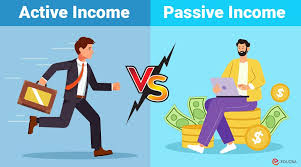
Active income is earned by actively working, like a salary from a job. Passive income is earned with little to no ongoing effort after the initial setup, such as rental income or royalties.What is the difference between active and passive income?
Yes, if you build multiple streams that generate enough income to replace your active job. This takes time, dedication, and often, significant initial investment.Can I do passive income full-time?
Mistakes include expecting instant results, not doing enough research, not investing enough time or money upfront, and not adapting to changes. Also, falling for “get rich quick” promises is a big one.What are common mistakes people make with passive income?
It can be, but it requires ongoing effort to build an audience and create content. Once content is evergreen and attracts consistent traffic, the income from affiliate links becomes more passive.Is affiliate marketing truly passive?
Absolutely. Many options, like investing in dividend stocks or real estate (via REITs), require minimal technical skill. Even digital products can be made easier with user-friendly tools.Can I do passive income if I don’t have much technical skill?
Conclusion: Your Path to More Freedom
Building realistic passive income is a marathon, not a sprint. It’s about creating assets that work for you over time. Each of these examples requires a commitment upfront. But the reward is greater financial freedom and more control over your life. Start exploring what fits you best today.